
88-key weighted pianos combine touch and light guidance in The ONE Music’s home and portable formats
Just another WordPress site
Press Release Disclaimer: This is a press release distributed through the XPR Media network. It has not been independently verified by our newsroom.


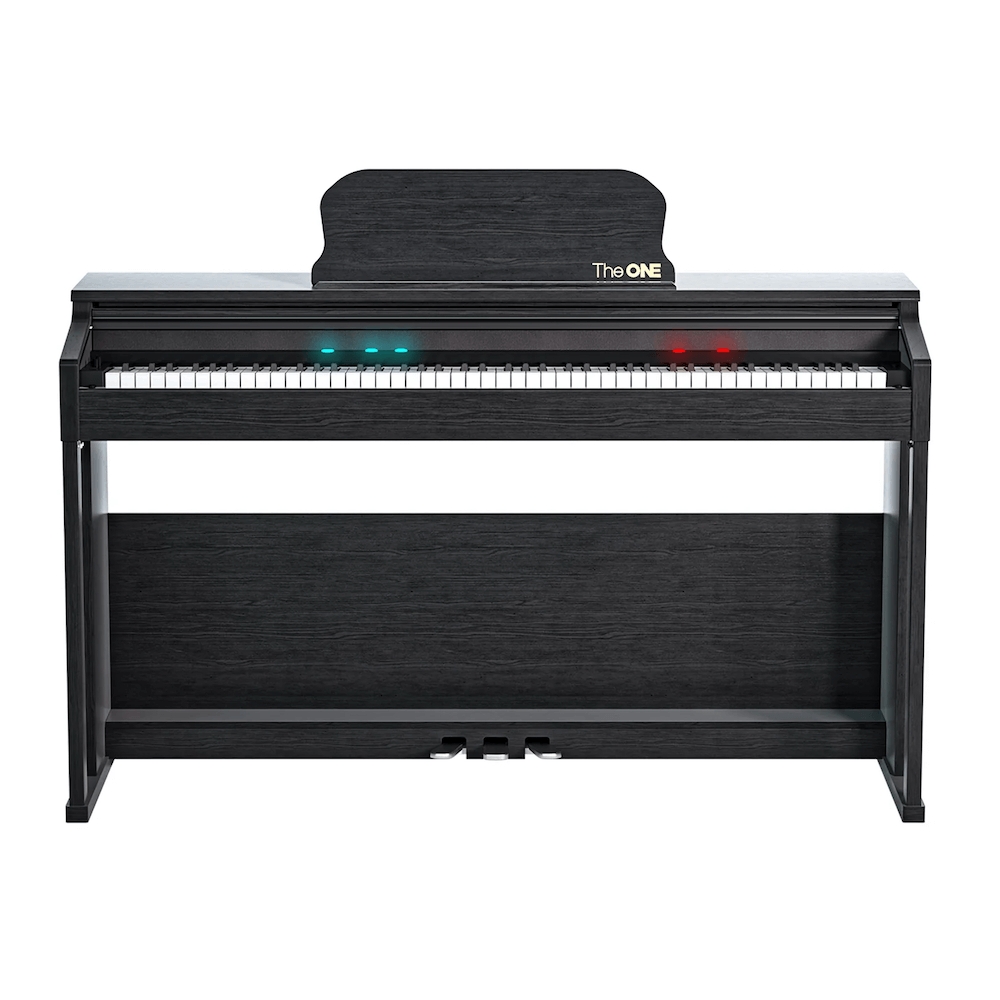
SAN JOSE, Calif. – October 14, 2026 – 88-key weighted pianos bring together a full playing range and resistance under the fingers, while The ONE Music adds light guidance to both home and portable formats. Its PLAY and Sing Pro models illustrate how instruments with the same key count can lead to different practice arrangements. The comparison centers on keyboard action, room layout and learning support rather than treating the smart piano label as a single specification.
Key count and key action answer different questions
An 88-key piano has the note range associated with a standard full-size acoustic piano. The range matters when music moves from low bass notes to a high melody. A shorter keyboard may cover a particular beginner exercise, but it cannot provide physical keys for notes outside its range. Whether those extra notes are needed depends on the music being studied.
Weighted action describes resistance in the key mechanism. Hammer action uses a mechanism designed to reproduce aspects of a piano’s physical response. Graded action generally makes the lower end feel heavier than the higher end. Full-size keys, by contrast, describe key dimensions. These terms should not be used interchangeably, and the number 88 alone does not establish how a keyboard feels.
Touch affects how a player works with an instrument after finding the notes. Pressing a key with different force and controlling repeated notes are physical tasks, not simply location tasks. Two instruments can both use hammer action without feeling identical.
Two formats within the current range
The model places an 88-key graded hammer-action keyboard in a cabinet-style structure. Its published features include red-and-blue guidance, three pedals and four speakers. This format suits a practice area that can remain assembled. The physical structure and pedal arrangement form part of the room setup, so the instrument is evaluated as furniture as well as a keyboard.
The model combines 88 hammer-action weighted keys with dual-color guidance in a portable body. Its product page identifies support for the brand’s learning and singing apps. It provides a different option for a room that changes use between sessions. Suitable support still needs to be chosen, and a portable format should not be mistaken for a complete furniture-style installation.
The two models therefore answer a space question as well as a playing question. A permanent cabinet reduces the need to rebuild a practice area. A portable instrument permits more flexible placement but introduces decisions about the stand, seating and pedal position. Their shared key count does not remove those differences, and configuration contents should be checked before comparing purchase totals.
Light prompts and touch develop separate skills
Light guidance helps identify notes or distinguish parts during compatible app activities. The action provides physical feedback when those keys are pressed. Neither feature substitutes for the other. A player can follow the correct illuminated notes while producing an uneven phrase, just as a comfortable key mechanism does not automatically explain which notes belong in the music.
An illustrative comparison uses a familiar passage on a single instrument. The first attempt follows the guidance to establish the notes. A later attempt concentrates on the sound: whether repeated notes remain even and whether a phrase becomes softer where intended. This example separates locating keys from controlling them. It is not a product test or evidence that one model produces a particular learning result.
Pedal work adds another physical task. A sustain pedal allows notes to continue after the fingers release the keys. Using it throughout a passage is different from timing its release between harmonies. A guided note activity may help with the keyboard part, but pedal coordination still requires attention. The supported pedal functions and supplied hardware must be checked for the selected configuration.
Matching the instrument to everyday practice
Room planning should include the seat, the player’s legs and access to pedals. A piano that fits against a wall may still leave insufficient space to sit comfortably. For a movable setup, storage dimensions and the effort required to reconnect equipment also matter. Portability is useful only when the resulting playing position remains stable and practical.
The desired lessons and songs introduce a separate software check. The connected device must meet the app requirements, and some content may have membership conditions. The ONE Music’s official PLAY and Sing Pro listings describe the current options. Comparing range, touch, guidance and setup together gives learners a clearer basis for choosing an 88-key instrument without assuming that every full-size smart piano serves the same needs.
About The ONE Music
The ONE Music develops smart pianos, keyboards and electronic drums. Its first smart piano launched in 2014. Its mission is to make music learning accessible through technology.
Media Contact
Company Name: theonemusic
Contact Person: John curry
Email: Send Email
Country: United States
Website: https://theonemusic.com/
Press Release Distributed by ABNewswire.com
To view the original version on ABNewswire visit: 88-key weighted pianos combine touch and light guidance in The ONE Music’s home and portable formats
Media gallery
